

The allure of the casino environment
The ambiance of a casino plays a pivotal role in attracting and retaining gamblers. Bright lights, vibrant colors, and the sound of ringing slot machines create an intoxicating atmosphere that stimulates the senses. This carefully orchestrated environment is designed to evoke feelings of excitement and anticipation, which are crucial in drawing individuals into the gambling experience. As soon as patrons step inside, they are enveloped in a world that is separate from their everyday lives, prompting them to engage in playful risk-taking. For those seeking an exciting experience, neosurf casino provides a thrilling option that enhances the sensory overload, making it easy for individuals to lose track of their surroundings and the realities of their daily lives.
Moreover, casinos strategically design their layouts to encourage exploration and prolonged stays. By placing games in an enticing arrangement, operators make it easy for gamblers to wander from one game to another, often leading to spontaneous betting decisions. The absence of windows and clocks further enhances the immersive experience, making it difficult for guests to recognize the passage of time. This environment can lead to impulsive behaviors, as individuals become more susceptible to the thrill of gambling the longer they remain in this captivating setting. The allure of potential wins often overrides rational decision-making, encouraging players to chase their next big break.
Casinos also promote social interaction, which can amplify the allure of gambling. Many games are inherently social, providing an opportunity for players to engage with one another while they play. This social aspect can create a sense of belonging and camaraderie among gamblers, enhancing their overall experience. As players share stories of wins and losses, they become part of a larger narrative that can reinforce their desire to continue gambling. The exhilarating atmosphere combined with shared excitement can lead individuals to gamble more than they initially intended, driven by a desire to maintain these connections and prolong the thrill of the game.
Cognitive biases and gambling behavior
Cognitive biases significantly influence gambling behavior, often leading individuals to make irrational decisions. One prevalent bias is the illusion of control, where gamblers believe they can impact the outcome of games, even those purely based on chance. This belief can lead players to engage in riskier bets, thinking their actions will sway results in their favor. As a result, individuals may continue to gamble, even after experiencing significant losses, convinced that their next bet will yield a victory. These distorted perceptions can create a false sense of confidence that fuels ongoing gambling activity, often to detrimental effects.
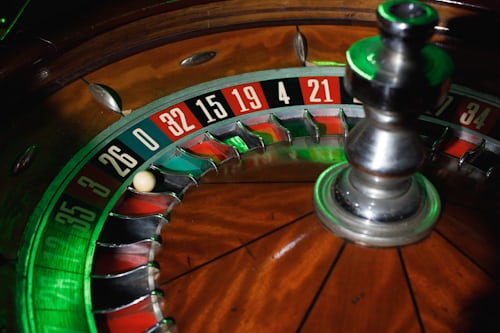
Another common cognitive bias is the gambler’s fallacy, where players mistakenly assume that past outcomes affect future results. For example, if a roulette ball lands on red several times in a row, a gambler might falsely believe that black is «due» to occur. This line of thinking can perpetuate gambling behavior, as individuals feel compelled to place bets based on flawed reasoning rather than understanding the inherent randomness of the games they play. These cognitive distortions serve to reinforce the cyclical nature of gambling addiction, making it difficult for individuals to break free from the cycle of risk-taking.

The tendency to optimize short-term gains over long-term consequences also fuels gambling decisions. Players often focus on immediate rewards, such as winning a hand or hitting a jackpot, while disregarding the overall probability of success across multiple sessions. This shortsightedness can lead to repeated gambling attempts in hopes of recouping losses, creating a pattern of chasing losses that further deepens their involvement in the gambling cycle. Understanding these cognitive biases is vital in addressing problematic gambling behaviors and promoting responsible gambling practices, as awareness can empower individuals to make more informed choices.
The role of emotions in gambling
Emotion plays a significant role in the decision-making process for gamblers. The thrill of winning can produce feelings of euphoria and excitement, leading individuals to chase these highs through continued gambling. Conversely, the disappointment of losing may encourage a gambler to return in hopes of reversing their fortunes. These emotional swings can result in a rollercoaster of experiences, reinforcing the drive to gamble despite potential negative consequences. The emotional highs associated with winning can become addictive, creating a cycle of dependence on gambling for emotional fulfillment that can be hard to escape.
Additionally, stress and other emotional states can influence gambling behavior. Individuals often turn to gambling as a form of escapism, using it to cope with life’s pressures or personal issues. For some, the casino environment offers a temporary reprieve from reality and an opportunity to immerse themselves in a world where the burdens of life seem to fade away. Unfortunately, this can lead to maladaptive coping mechanisms, where gambling becomes the primary means of managing emotions, further entrenching individuals in harmful behaviors. The reliance on gambling as a form of emotional relief can create a cycle that is difficult to break.
The complexity of emotions in gambling also extends to social dynamics. The presence of peer influence can exacerbate the emotional highs and lows associated with gambling. Friends and acquaintances may encourage risky behaviors in a group setting, amplifying the excitement and competitiveness of the experience. This social reinforcement can lead to a shared emotional investment in gambling activities, making it harder for individuals to recognize the potential risks and consequences of their actions. Understanding the emotional undercurrents of gambling can aid in developing healthier approaches to engaging with casino games and managing emotional responses.
The impact of technology on gambling psychology
Technological advancements have significantly transformed the gambling landscape, affecting how individuals engage with casino games. Online casinos and mobile gaming apps have made gambling more accessible than ever, allowing users to place bets from the comfort of their homes. This convenience can intensify gambling behavior, as the barriers to entry are lowered, and gamblers can easily indulge in their habits without the constraints of time and physical space. The allure of technology can lead to increased gambling frequency and, for some, deeper addiction as they find it easier to access their favorite games.
Furthermore, technology introduces elements such as real-time data and personalized promotions, which can further entice gamblers. Online platforms often utilize algorithms to track player behavior and adjust offerings accordingly, providing tailored experiences that cater to individual preferences. These personalized interactions can create a stronger emotional connection between the gambler and the platform, leading to increased loyalty and further gambling activity. This reliance on technology can perpetuate a cycle of addiction as players seek immediate gratification through their digital devices, often ignoring the long-term consequences of their actions.
Moreover, social media plays a crucial role in shaping gambling psychology, with many platforms showcasing wins and promoting gambling activities as a form of entertainment. This celebration of success can foster an environment where gambling is viewed as a glamorous or desirable pursuit. The pressure to present an exciting lifestyle on social media can encourage individuals to gamble more frequently, as they seek to share their experiences with friends and followers. Understanding the influence of technology on gambling psychology is essential in addressing the challenges posed by this evolving landscape, as it can significantly impact individuals’ gambling behaviors and attitudes.
Supporting responsible gambling practices
Promoting responsible gambling practices is crucial to mitigating the risks associated with gambling. Educating individuals about the psychological aspects of gambling can help them recognize the signs of problematic behavior. Awareness of cognitive biases, emotional triggers, and the impact of the gambling environment can empower individuals to make informed decisions about their gambling habits. By fostering a greater understanding of these factors, gamblers can develop healthier relationships with their gaming activities, reducing the likelihood of negative outcomes.
Many casinos and gambling organizations are actively working to implement responsible gambling initiatives that prioritize player safety. This includes providing resources for self-exclusion, setting limits on deposits, and promoting awareness campaigns about the potential risks of gambling. Implementing these practices creates a safer gambling environment and encourages players to take ownership of their habits, promoting accountability and responsibility in their gaming experiences. By integrating these initiatives, operators help create a culture of awareness and mindfulness around gambling.
Ultimately, fostering a culture of responsible gambling requires a collaborative effort between players, casinos, and regulatory bodies. Open discussions about gambling behavior, coupled with accessible resources and support systems, can help individuals navigate the complexities of gambling psychology. By prioritizing responsible gambling practices, stakeholders can contribute to a healthier, more sustainable gambling culture that recognizes the entertainment value of gaming while minimizing harm to individuals and communities. This holistic approach is essential in addressing the multifaceted nature of gambling and its impact on society.